Old Masters Academy

Painting brings me joy portrait techniques Old Masters academy

Painting brings me joy

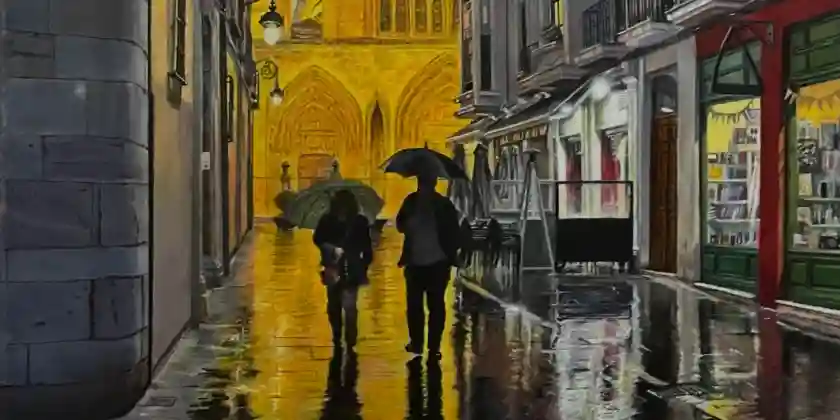
Artwork by Celine

I am a 61-year-old Belgian dentist who discovered drawing 10 years ago. I trained in oil painting using Flemish techniques and also studied watercolor. Over the past two years, I have taken part in competitions and exhibitions, winning awards and selling some of my work. …

Art is my passion and my discipline – I paint every day

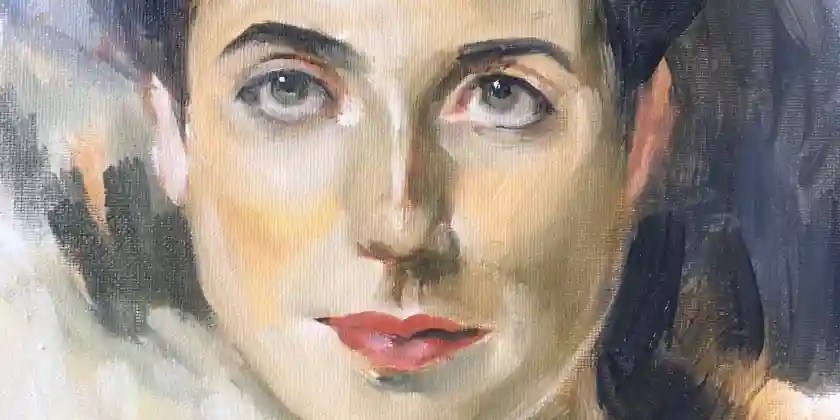
Artwork by Michael

My name is Michael Reider, and I am an artist who came to painting through a long, winding path. I earned my BFA years ago, but for much of my professional life I worked in other creative fields. Eventually I returned to fine art, not as a hobby, but as the center of my life. Painting is now the way I make sense of the world, the way I process experience, and the way I stay grounded. It is also how I give back, through community workshops, art based classes, and the “Serenity Through Art” sessions I teach to help people find calm and confidence through creativity. …

A Painting Secret Hidden for Six Centuries

Varnish Inside the Painting: Why Did Van Eyck Place a Clear Layer Between Glazes?

Jan van Eyck’s 1439 Portrait of Margareta van Eyck, also known as Margaret, the Artist’s Wife, contains a surprising secret. Conservators found varnish not only on the surface, but also between two of the final layers of red paint.

Van Eyck may have considered the portrait nearly finished, applied varnish to make the colors richer, and then changed his mind. After seeing the colors fully revealed, he appears to have added one more transparent red glaze to deepen the shadows of the dress.

A glaze is a thin, transparent or semi-transparent layer of paint. Instead of hiding the paint below, it modifies its color. Glazes can deepen reds, soften transitions, and create rich shadows without making them opaque. …

Understanding of classical techniques to paint people

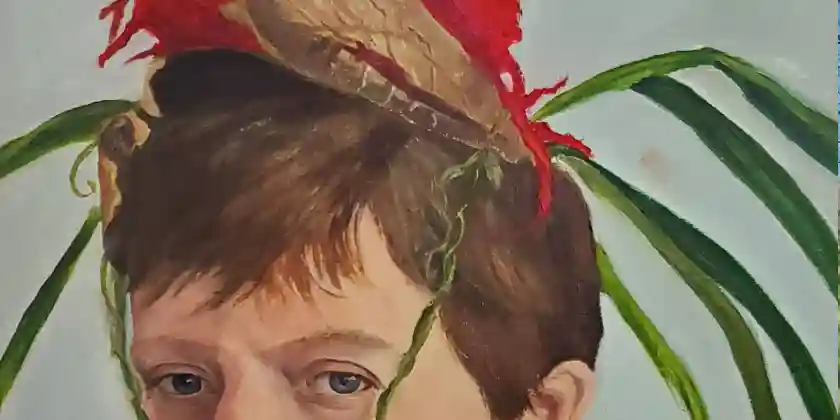
My name is Nikol, and I move between law, visual art and music. I enjoy exploring people, gestures and quiet moments through painting. Art is my balance and my way to slow down, observe and connect with the world. It helps me turn emotion and observation into form. …

A Journey of Art, Struggle, and Legacy

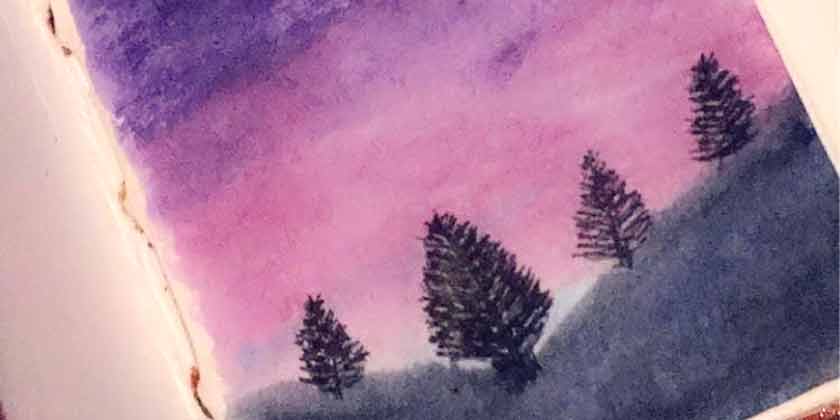
Artwork by Aditya

My name is Aditya Aryan. I am a fine artist, writer, and explorer. But at the center of everything that I pursue, art is the pulse of my life. It is the one place where I see truth, beauty, and liberation, and where I am able to say things that words usually fail to express.

Art, for me, is not a vocation or an avocation—it is my raison d’être. It is the culmination of my inner world and the outer world. It is the vehicle by which I navigate life, culture, spirituality, and history, and by which I envision leaving a legacy that transcends mortality. …

Art that Captures

Artwork by Carol

As an artist i use several media; oils, pastel, graphite, charcoal, and a little watercolor. Portraiture is my special interest. (Although documenting a stunning scene in nature is a close second.)

As an art teacher my students learn to see as an artist sees, and develop the skills necessary to draw and/or paint what they see. More fun are a few classes I do at an independent and assisted living facility. …

learn with Natalie Richy tutor traditional drawing painting methods Old Masters Academy

There Has Never Been a Better Time to Learn Art

Think It Is Too Late to Learn Art?

For most of history, becoming an artist depended greatly on where, when and to whom you were born.

In the time of the Old Masters, training usually began at a young age. A boy might enter a master’s workshop and spend years preparing panels, grinding pigments, copying drawings and assisting with commissions. Access depended on family connections, money, social position and geography. Women faced even greater restrictions. …

What If Van Eyck’s Greatest Invention Was a Myth?

The Invention Jan van Eyck Never Made

Oil paint already existed. Van Eyck’s achievement was controlling how light behaved inside each painted surface.

The invention most often credited to Jan van Eyck was not his. Drying oils had bound pigments for centuries before he began painting. The Metropolitan Museum of Art traces oil painting in Northern Europe to at least the twelfth century. The turning point was the extraordinary control achieved by Van Eyck and other fifteenth-century Netherlandish painters. …

Hoping for a change

Hoping for a change

Please vote for me by sharing this page: Artwork by Lois Black I am pursuing a life as an artist in a new medium. I’ve been an artist all along, but I was chasing a… 
Watercolor Academy
Life Drawing Academy
Drawing Academy
Anatomy Master Class