Faked sculpture made by Michelangelo
by Rosily Roberts
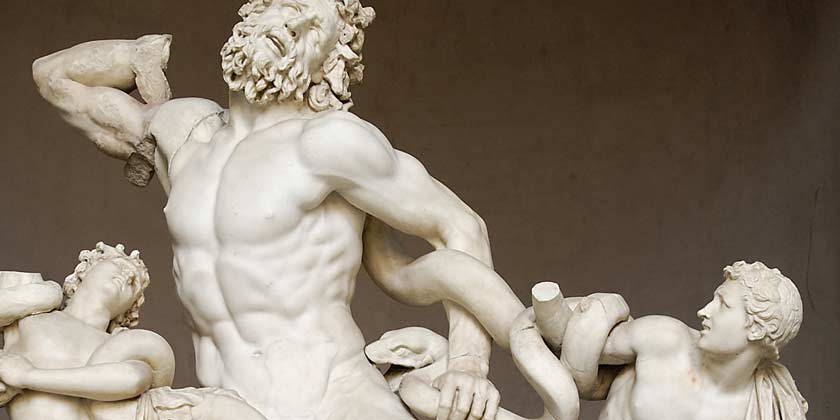
…There are no other known forgeries by Michelangelo in existence, however he was involved with the restoration of the famous Laocoön statue, a Hellenistic marble statue that was discovered in…
…There are no other known forgeries by Michelangelo in existence, however he was involved with the restoration of the famous Laocoön statue, a Hellenistic marble statue that was discovered in…
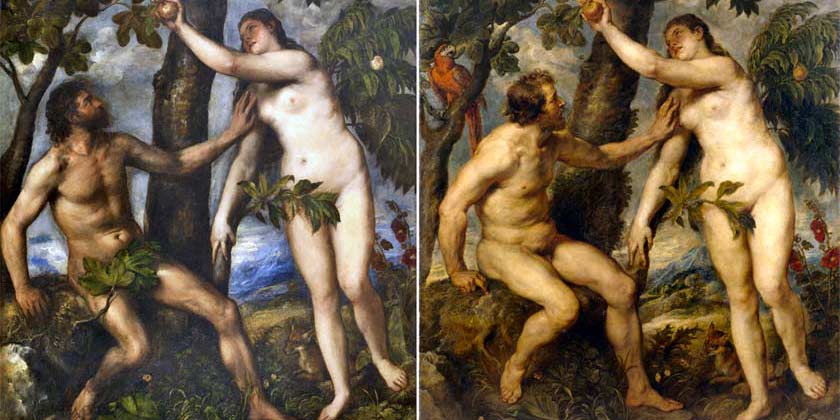
…Rubens used a similar treatment in his copy of Titian’s Adam and Eve, which was made during his same trip to Spain. In Titian’s work, Eve is shown accepting the apple…
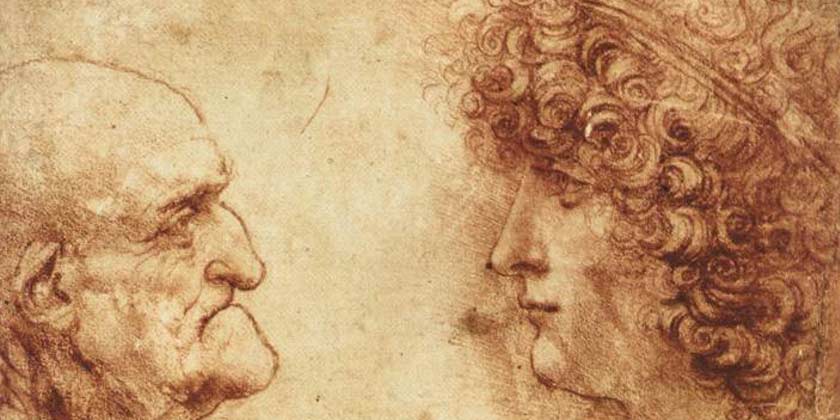
… Francesco Melzi was, according to historian Vasari, a Milanese nobleman, who inherited many of Leonardo’s manuscripts, instruments, books and drawings. While Leonardo complemented his abilities as a painter, no known…
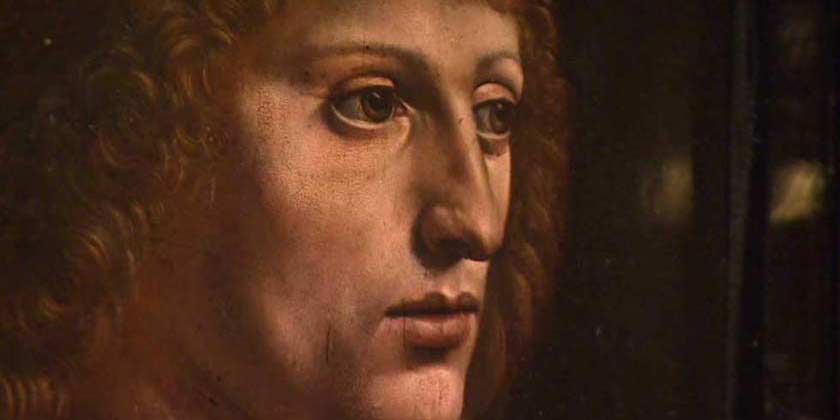
… In 1472 Leonardo was accepted into the painters’ guild of Florence, however, he remained in his teacher’s workshop for five more years, before working independently in Florence until 1481. Many of…
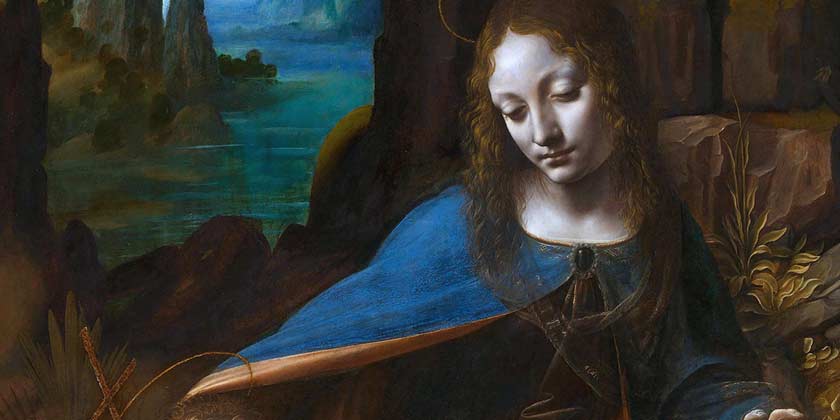
…Leonardo’s Last Supper brought about a huge shift, not only in the genre of Last Supper paintings, but art in general. He imbued the scene with a movement, expression, drama and realism…
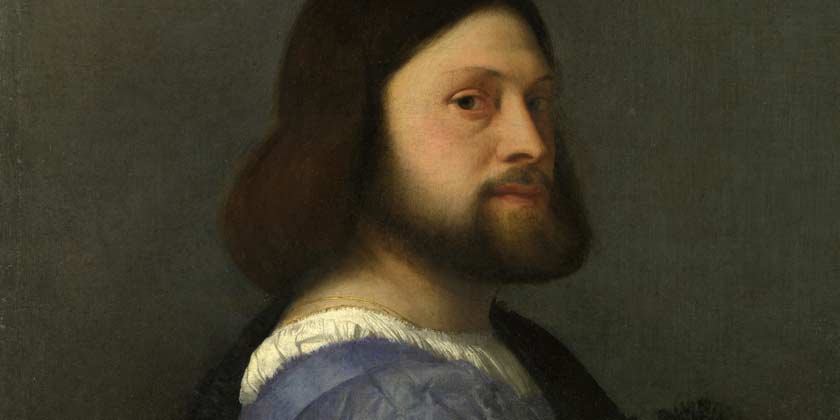
… Titian was most well-known for his bold use of colour, which he achieved through seeking out rare pigments and using them in rich and saturated forms, as well as carefully balancing complementary colours together.…
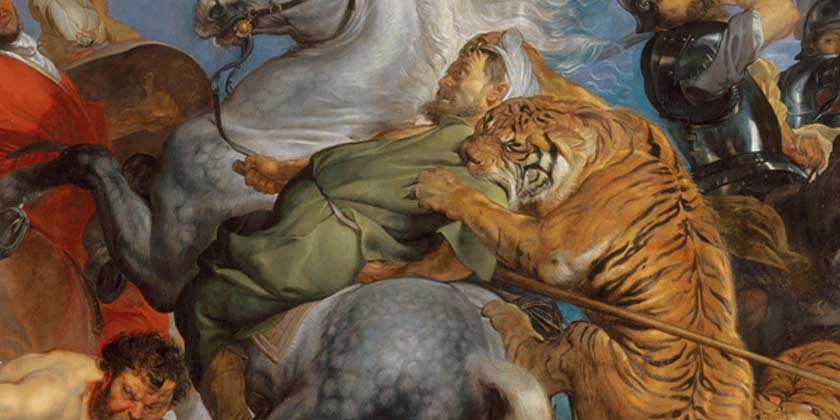
… He used a large amount of greys, blues and greens and a variety of flesh tones, often incorporating deep and luscious reds and gold in exuberance. He employed various undertones to…
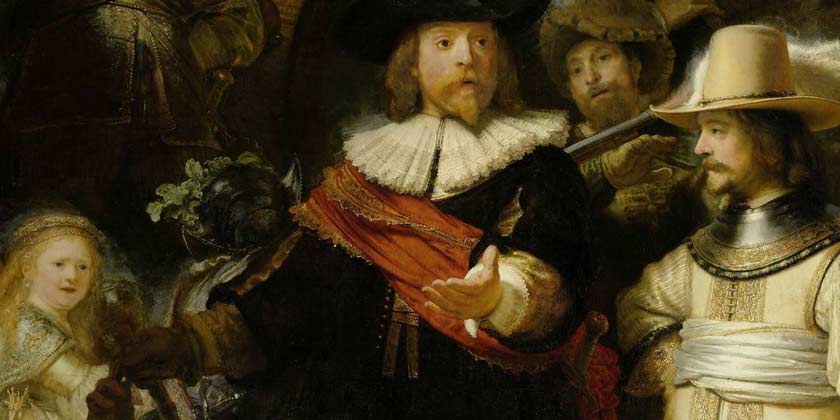
… While the exact technique Rembrandt used when creating his impastoed surfaces is unknown, it is believed that he built up thick layers of opaque paint, allowing each layer to dry instead…
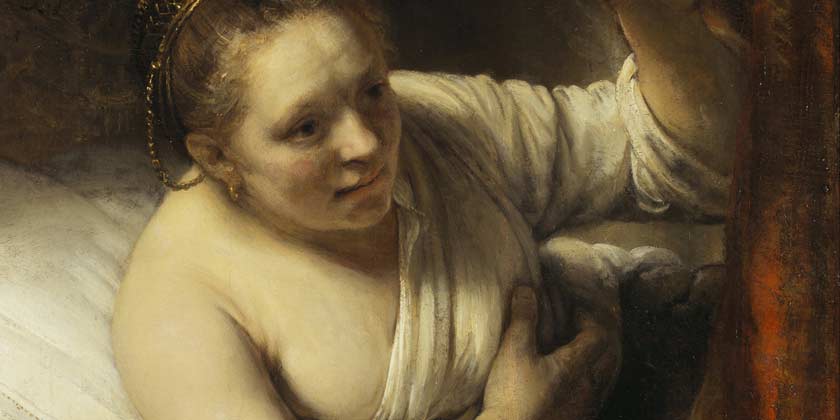
… In 1641, a fourth child, Titus was born, and survived. However, Saskia was unwell after the birth. In 1642, she made a will leaving Rembrandt and Titus most of her fortune,…
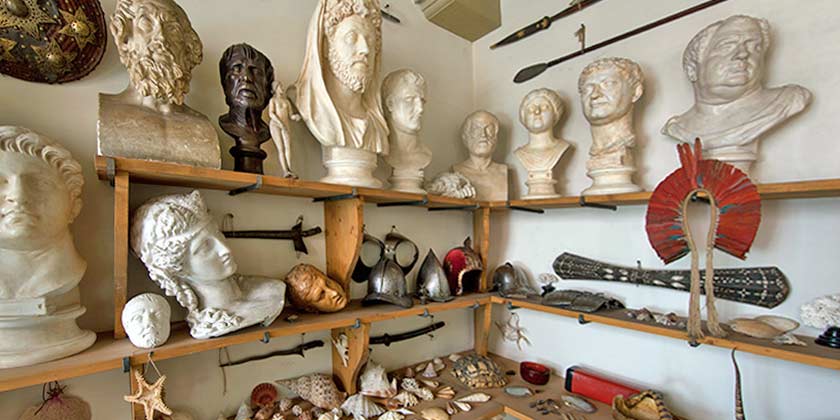
For the majority of his life, Rembrandt’s main source of income was private commissions for portraits. While Rembrandt did not keep records of his work shop sales, it is estimated by…